THE BEST PROTEIN SOURCES FOR VEGANS

Dr. Alex Strong
Published May 15, 2024
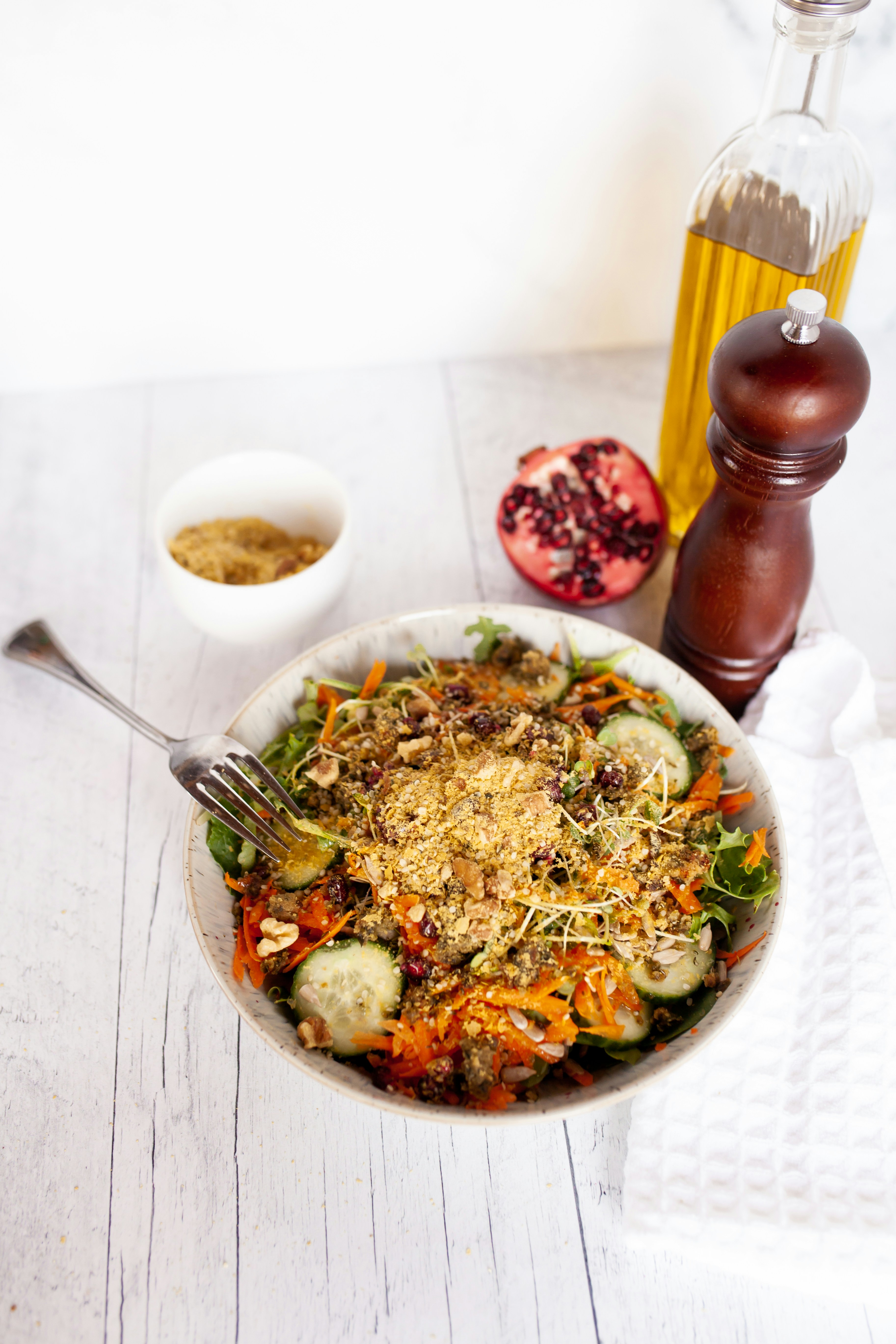
One of the most common concerns for those following a plant-based diet is getting enough protein. But with the right knowledge and food choices, vegans can easily meet—and even exceed—their protein requirements.
WHY PROTEIN MATTERS FOR VEGANS
Protein is essential for everyone, not just athletes or bodybuilders. It's the building block of muscles, organs, hormones, and enzymes. For vegans, being intentional about protein intake is important because plant proteins are generally less concentrated and sometimes less bioavailable than animal proteins.
The good news? Research consistently shows that well-planned vegan diets can provide all the protein you need, while offering additional benefits like higher fiber intake, lower saturated fat, and a reduced environmental footprint.
TOP 10 VEGAN PROTEIN SOURCES
Let's break down the best plant-based protein sources, ranked by protein content and amino acid profile:
1. SEITAN
Made from vital wheat gluten, seitan contains about 25g of protein per 3.5 oz serving, making it one of the most protein-dense plant foods available. Its chewy texture makes it an excellent meat substitute in stir fries, sandwiches, and stews.
Protein hack: Marinate seitan in soy sauce, nutritional yeast, and spices to enhance both flavor and nutrient content.
2. TOFU, TEMPEH, AND EDAMAME
All derived from soybeans, these foods are complete proteins containing all nine essential amino acids. Tempeh offers about 20g of protein per 3.5 oz serving, while tofu provides 8-15g depending on firmness. Edamame (immature soybeans) contains 17g per cup.
Protein hack: Freeze and thaw tofu before cooking to create a more meat-like, porous texture that absorbs marinades better.
3. LENTILS
With 18g of protein per cooked cup, lentils are a protein powerhouse that also provides substantial fiber and iron. Their quick cooking time makes them more convenient than most beans.
Protein hack: Add a splash of vinegar or lemon juice to cooked lentils to enhance iron absorption.
PROTEIN CONTENT COMPARISON
- Seitan: 25g protein per 3.5 oz
- Tempeh: 20g protein per 3.5 oz
- Lentils: 18g protein per cooked cup
- Chickpeas: 15g protein per cooked cup
- Nutritional Yeast: 14g protein per 1/4 cup
- Tofu (firm): 11g protein per 3.5 oz
4. CHICKPEAS AND MOST BEANS
Chickpeas, black beans, kidney beans, and most other legumes contain about 15g of protein per cooked cup. They're also rich in complex carbs, fiber, iron, folate, phosphorus, and manganese.
Protein hack: Roast chickpeas with spices for a crunchy, high-protein snack that's perfect for on-the-go.
5. NUTRITIONAL YEAST
This cheesy-flavored inactive yeast contains 14g of protein per 1/4 cup, along with B vitamins (often including B12 in fortified versions). It's a versatile ingredient that can be sprinkled on everything from popcorn to pasta.
Protein hack: Blend nutritional yeast with cashews, lemon juice, and garlic for a high-protein vegan cheese sauce.

NIKE RUNNING SHOES - 40% OFF SALE
Fuel your plant-based fitness journey with premium running shoes. Nike's latest collection is now 40% off for a limited time. Perfect for your morning runs and gym sessions.
SHOP SALE6. SPELT AND TEFF
Ancient grains like spelt and teff contain more protein than common grains, with about 10-11g per cooked cup. They're also excellent sources of complex carbs, fiber, and various micronutrients.
Protein hack: Use teff to make protein-rich porridge, adding nuts and seeds for an even bigger protein boost.
7. HEMP SEEDS
With 10g of protein in just 3 tablespoons, hemp seeds are a concentrated source of protein that also provides omega-3 fatty acids. Their mild, nutty flavor works well in smoothies, salads, and oatmeal.
Protein hack: Make hemp milk by blending hemp seeds with water for a protein-rich dairy alternative.
8. GREEN PEAS
Often overlooked as a protein source, green peas contain 9g of protein per cooked cup. They're also rich in leucine, an amino acid important for muscle synthesis.
Protein hack: Blend cooked peas into hummus for a higher-protein alternative to the traditional recipe.
9. QUINOA
A complete protein with 8g per cooked cup, quinoa is technically a seed but used as a grain. It's also high in magnesium, iron, fiber, and manganese.
Protein hack: Use quinoa instead of rice in stir-fries and buddha bowls for a protein boost.
10. NUTS AND NUT BUTTERS
Almonds, peanuts, and their butters contain 7-8g of protein per 1/4 cup (or 2 tablespoons of nut butter). They also provide healthy fats and various micronutrients.
Protein hack: Add a tablespoon of nut butter to smoothies, oatmeal, or even savory sauces for extra protein and richness.
COMBINING PROTEINS FOR OPTIMAL NUTRITION
While the old belief that plant proteins must be combined at each meal has been debunked, eating a variety of protein sources throughout the day ensures you get all essential amino acids. Some naturally complementary combinations include:
- Beans and rice (together they form a complete protein)
- Hummus and whole grain pita
- Peanut butter on whole grain toast
- Lentil soup with whole grain bread
3-INGREDIENT VEGAN PROTEIN SNACKS
Following our Strong Snacks philosophy, here are some simple, 3-ingredient vegan protein snacks:
- Protein-Packed Energy Balls: 1 cup dates + 1/2 cup hemp seeds + 2 tbsp cacao powder (roll into balls)
- Edamame Hummus: 1 cup edamame + 2 tbsp tahini + 1 lemon (juice and zest)
- Tempeh "Bacon" Strips: 8 oz tempeh + 2 tbsp soy sauce + 1 tbsp maple syrup

COZY TRAVEL ESSENTIALS - FREE SHIPPING
Stay comfortable on your next adventure with our ultra-soft travel clothing collection. Perfect for long flights, road trips, and exploring new destinations. Made from sustainable bamboo fiber.
SHOP COLLECTIONHOW MUCH PROTEIN DO VEGANS NEED?
The general recommendation for protein intake is 0.8g per kg of body weight for sedentary adults. However, athletes and those looking to build muscle may need 1.2-2.0g per kg. Some research suggests vegans might benefit from slightly higher intake (around 10% more) due to the lower digestibility of some plant proteins.
For a 70kg (154lb) vegan adult who exercises regularly, this translates to about 85-140g of protein daily. While this may seem challenging on a plant-based diet, strategic food choices make it entirely achievable without supplements.
THE BOTTOM LINE
Vegans have plenty of excellent protein options that not only meet nutritional needs but also provide additional health benefits through fiber, antioxidants, and phytonutrients. By incorporating a variety of the foods listed above and being mindful of portion sizes, plant-based eaters can easily meet their protein requirements while enjoying delicious, diverse meals.
Remember: the key is variety. No single plant food contains all essential amino acids in optimal ratios, but a diverse diet easily solves this issue. And with the growing market of high-quality plant protein supplements, getting enough protein on a vegan diet has never been easier.