PROTEIN SUPPLEMENTS: WORTH IT?

Dr. Alex Strong
Published May 29, 2024
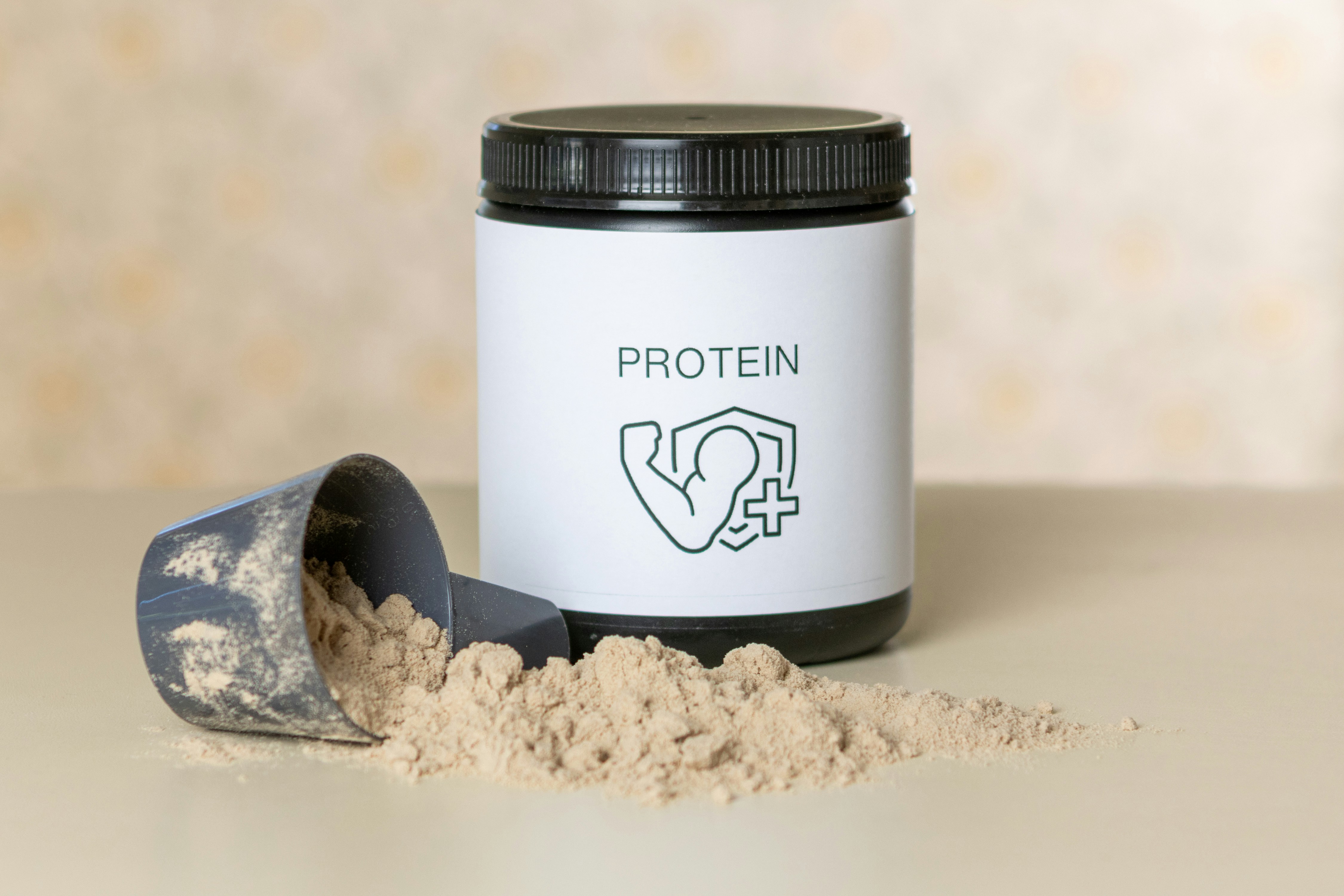
The protein supplement industry is worth billions of dollars, with endless options lining store shelves and dominating online marketplaces. But are these products actually worth your money, or can you get everything you need from whole foods? Let's break down the science, benefits, drawbacks, and practical considerations of protein supplements.
WHOLE FOODS VS. SUPPLEMENTS: THE NUTRITION BATTLE
Before diving into specific supplements, it's important to establish a fundamental truth: whole food protein sources are generally superior to supplements from a nutritional perspective. Here's why:
- Whole foods contain additional nutrients beyond protein (vitamins, minerals, fiber, healthy fats)
- The protein in whole foods often comes with beneficial food matrices that enhance absorption
- Whole foods tend to be more satiating, helping with appetite control
- Whole foods don't contain artificial ingredients, fillers, or excessive additives
However, supplements offer distinct advantages in certain situations, primarily convenience, precise dosing, and rapid absorption when needed. The question isn't whether supplements are better than food (they're not), but whether they serve a valuable role as a complement to a whole-food diet.

STRONG SNACKS WHEY ISOLATE
Our premium whey isolate delivers 27g of protein per serving with minimal carbs and fat. Third-party tested for purity and quality.
SHOP NOWTYPES OF PROTEIN SUPPLEMENTS
The protein supplement market offers numerous options, each with distinct properties, benefits, and drawbacks:
WHEY PROTEIN
Derived from milk during cheese production, whey is the most popular and well-researched protein supplement.
Types:
- Whey Concentrate (WPC): 70-80% protein, contains some lactose and fat, most affordable
- Whey Isolate (WPI): 90%+ protein, minimal lactose and fat, faster absorption, more expensive
- Whey Hydrolysate: Pre-digested for fastest absorption, very low in allergens, most expensive
Benefits: Complete amino acid profile with high leucine content, rapid absorption, strong research backing for muscle protein synthesis, immune support properties
Drawbacks: Contains dairy allergens, can cause digestive issues for some, environmental impact of dairy production
CASEIN PROTEIN
The other protein derived from milk, casein digests much more slowly than whey, providing a sustained release of amino acids.
Benefits: Prolonged amino acid release (up to 7 hours), more satiating than whey, excellent before bed or during long periods without food
Drawbacks: More expensive than whey, thicker texture can be less palatable, contains dairy allergens
PROTEIN SUPPLEMENT COMPARISON
| Type | Digestion Speed | Best For | Price |
|---|---|---|---|
| Whey Isolate | Fast | Post-workout | $$$ |
| Whey Concentrate | Medium-Fast | Anytime | $$ |
| Casein | Slow | Before bed | $$$ |
| Plant Blend | Medium | Vegans/Allergies | $$$ |
| Collagen | Medium | Skin/Joint health | $$$$ |
PLANT-BASED PROTEINS
As plant-based diets grow in popularity, so do plant protein supplements. Common sources include:
- Pea Protein: High in branched-chain amino acids (BCAAs), easily digestible, allergen-free
- Brown Rice Protein: Hypoallergenic but lower in lysine (an essential amino acid)
- Hemp Protein: Contains beneficial fats but lower protein content per serving
- Soy Protein: Complete amino acid profile but controversial due to phytoestrogens
Benefits: Suitable for vegans and those with dairy allergies, often contain additional nutrients, more environmentally sustainable
Drawbacks: Individual plant proteins may have incomplete amino acid profiles (blends solve this), often more expensive, can have grittier texture and stronger taste

NIKE AIR MAX - NEW COLLECTION LAUNCH
Step up your fitness game with the latest Nike Air Max collection. Advanced cushioning technology meets iconic style. Perfect for your training sessions and everyday wear.
SHOP NOWCOLLAGEN PROTEIN
Derived from animal connective tissues, collagen has gained popularity for its potential benefits for skin, joints, and connective tissues.
Benefits: May support skin elasticity, joint health, and gut lining integrity
Drawbacks: Incomplete protein (low in tryptophan), not ideal as a primary protein source for muscle building, expensive
EGG WHITE PROTEIN
Made from dehydrated egg whites, this option sits between plant and dairy proteins in many aspects.
Benefits: Complete amino acid profile, dairy-free, moderate digestion rate
Drawbacks: More expensive than whey, can cause allergic reactions in those with egg allergies, less research backing than whey
WHO BENEFITS MOST FROM PROTEIN SUPPLEMENTS?
While anyone can use protein supplements, they provide particular value for certain populations:
ATHLETES AND REGULAR EXERCISERS
People with high training volumes often have elevated protein needs (1.6-2.2g per kg of body weight) that can be challenging to meet through whole foods alone. Supplements offer a convenient way to hit these targets without excessive calories or food volume.
PEOPLE IN CALORIC DEFICIT
When losing weight, maintaining protein intake while reducing calories is crucial for preserving muscle mass. Protein supplements provide a high-protein, low-calorie option that helps meet protein needs within restricted calorie budgets.
BUSY INDIVIDUALS
For those with hectic schedules, protein supplements offer a quick, convenient option when whole food meals aren't practical. A protein shake takes seconds to prepare and can prevent skipping meals or making poor food choices.
OLDER ADULTS
Aging is associated with "anabolic resistance," requiring higher protein intake to stimulate muscle protein synthesis. Supplements can help older adults reach these higher targets, especially when appetite or chewing ability may be reduced.
VEGETARIANS AND VEGANS
Plant-based diets can make hitting protein targets more challenging. Plant protein supplements provide a concentrated source without requiring excessive food volume or calories.

HOMEMAKERS - NEW BOOK LAUNCH
Discover the untold stories of modern homemakers in this compelling new book. Real stories, practical wisdom, and inspiring journeys of creating meaningful homes. Available now in hardcover and digital.
ORDER NOWQUALITY CONCERNS: WHAT TO LOOK FOR
The supplement industry is poorly regulated in many countries, leading to significant quality variation between products. Here's what to consider when selecting a protein supplement:
THIRD-PARTY TESTING
Look for supplements verified by independent organizations like NSF Certified for Sport, Informed Choice, or USP. These certifications confirm that what's on the label is actually in the product and that it's free from harmful contaminants.
PROTEIN CONTENT PER SERVING
Check how much protein you're actually getting per scoop. Some products use "protein spiking" by adding cheaper amino acids like glycine or taurine to inflate the protein content on the label.
INGREDIENT LIST
Shorter is generally better. Be wary of products with long lists of artificial flavors, colors, sweeteners, and fillers. While not necessarily harmful, these additions provide no nutritional benefit.
SUGAR CONTENT
Many protein supplements contain added sugars to improve taste. Look for options with less than 5g of sugar per serving, or consider unflavored versions you can flavor yourself.
PRACTICAL APPLICATIONS: USING SUPPLEMENTS EFFECTIVELY
If you decide protein supplements have a place in your nutrition plan, here are some evidence-based guidelines for using them effectively:
DOSING
Research suggests that 20-40g of protein per serving (depending on body size and age) is optimal for stimulating muscle protein synthesis. More isn't necessarily better, as the body can only use so much protein at once for muscle building.
TIMING
While the "anabolic window" is wider than once thought, protein supplements can be particularly useful:
- After workouts when appetite may be suppressed but protein needs are elevated
- Before bed (particularly casein) to support overnight recovery
- Between meals when whole food options aren't available
COMBINING WITH WHOLE FOODS
For optimal nutrition and satiety, consider combining protein supplements with whole foods. For example:
- Add protein powder to oatmeal with fruit and nuts
- Blend protein powder with milk, frozen fruit, and nut butter for a complete meal replacement
- Mix protein powder into yogurt with berries and seeds
3-INGREDIENT PROTEIN SUPPLEMENT RECIPES
Following our Strong Snacks philosophy, here are some simple, 3-ingredient recipes using protein supplements:
PROTEIN COFFEE FRAPPE
- 1 cup cold brew coffee
- 1 scoop vanilla protein powder
- 1 cup ice cubes
Instructions: Blend all ingredients until smooth. For added richness, use milk instead of water to mix with the cold brew.
PROTEIN PANCAKES
- 1 ripe banana
- 2 eggs
- 1 scoop protein powder
Instructions: Mash banana, beat in eggs, stir in protein powder. Cook like regular pancakes on a non-stick pan.
NO-BAKE PROTEIN BALLS
- 1 cup oats
- 1/2 cup nut butter
- 2 scoops protein powder
Instructions: Mix ingredients, add water as needed for consistency, roll into balls, and refrigerate.
THE BOTTOM LINE
Are protein supplements worth it? The answer depends on your individual circumstances, goals, and dietary preferences. For many active individuals, busy professionals, older adults, and those with specific dietary restrictions, protein supplements offer a valuable tool for meeting nutritional needs.
However, they should complement—not replace—a diet based on whole foods. The majority of your protein should come from nutrient-dense whole food sources, with supplements filling the gaps when necessary.
If you do choose to use protein supplements, prioritize quality, be mindful of your total protein intake from all sources, and remember that more isn't always better. With these considerations in mind, protein supplements can be a practical and effective addition to your nutrition strategy.